Postpartum Recovery Tips for New Chinese Mothers
- tristaqingnan
- 5月25日
- 讀畢需時 4 分鐘
Welcoming a new baby into the world is a joyous occasion, but it can also be a challenging time for new mothers. In Chinese culture, postpartum recovery, known as "zuo yuezi," is considered a critical period for both the mother and the newborn. This traditional practice emphasizes rest, nourishment, and care to ensure a smooth transition into motherhood. In this blog post, we will explore essential postpartum recovery tips specifically tailored for new Chinese mothers, helping you navigate this important phase with confidence and ease.
Understanding Postpartum Recovery
Postpartum recovery is not just about physical healing; it encompasses emotional and mental well-being as well. The body undergoes significant changes during pregnancy and childbirth, and it is essential to allow time for recovery. In Chinese culture, the belief is that a mother should rest and recuperate for at least a month after giving birth. This period is crucial for restoring energy, healing, and bonding with the newborn.
The Importance of Rest
Rest is paramount during the postpartum period. New mothers often feel overwhelmed with the demands of caring for a newborn, but prioritizing rest can significantly impact recovery. Here are some tips to ensure you get the rest you need:
Sleep When the Baby Sleeps: Take advantage of your baby's nap times to catch up on sleep. This can help alleviate fatigue and improve your mood.
Limit Visitors: While family and friends may want to help, too many visitors can be exhausting. Politely set boundaries and allow only close family members to visit during the initial weeks.
Delegate Responsibilities: Don’t hesitate to ask for help from your partner, family, or friends. Whether it’s cooking meals or doing household chores, sharing responsibilities can free up time for you to rest.
Nourishing Your Body
Nutrition plays a vital role in postpartum recovery. In Chinese culture, specific foods are believed to aid healing and replenish energy. Here are some dietary recommendations:
Traditional Foods for Recovery
Chicken Soup: A warm bowl of chicken soup is a staple in postpartum recovery. It is believed to nourish the body and promote healing.
Red Dates: Known for their blood-nourishing properties, red dates can be added to soups or consumed as a snack.
Ginger: Incorporating ginger into your meals can help improve circulation and reduce inflammation.
Black Sesame Seeds: These seeds are rich in calcium and can be consumed in porridge or as a topping for various dishes.
Hydration is Key
Staying hydrated is essential for recovery. Drinking warm water, herbal teas, and broths can help maintain hydration levels. Avoid cold beverages, as traditional beliefs suggest they can hinder recovery.
Emotional Well-Being
The postpartum period can bring a whirlwind of emotions. It is normal to experience feelings of joy, anxiety, and even sadness. Here are some strategies to support your emotional well-being:
Connect with Other Mothers
Building a support network with other new mothers can be incredibly beneficial. Sharing experiences, challenges, and advice can help you feel less isolated. Consider joining a local mothers' group or participating in online forums.
Practice Mindfulness
Mindfulness techniques, such as meditation or gentle yoga, can help reduce stress and promote relaxation. Taking a few moments each day to focus on your breath and center yourself can make a significant difference in your emotional state.
Physical Recovery
Physical recovery after childbirth varies from woman to woman. It is essential to listen to your body and take steps to promote healing.
Gentle Exercise
While rest is crucial, gentle exercise can aid recovery. Activities such as walking or postpartum yoga can help strengthen your body and improve mood. Always consult with your healthcare provider before starting any exercise routine.
Postpartum Check-Ups
Regular check-ups with your healthcare provider are essential to monitor your recovery. Discuss any concerns you may have, including physical discomfort or emotional challenges. Your healthcare provider can offer guidance and support tailored to your needs.
Cultural Practices and Beliefs
Incorporating traditional practices into your postpartum recovery can provide comfort and a sense of connection to your heritage. Here are some cultural practices to consider:
Herbal Remedies
Many Chinese mothers turn to herbal remedies to support recovery. Consult with a qualified herbalist or healthcare provider to find safe options that suit your needs.
Avoiding Cold Foods
Traditional beliefs suggest that consuming cold foods can hinder recovery. Focus on warm, nourishing meals to support your body during this time.
Building a Supportive Environment
Creating a nurturing environment can significantly impact your postpartum experience. Here are some tips to foster a supportive atmosphere:
Organize Your Space
Set up a comfortable area for nursing and resting. Keep essentials like snacks, water, and baby supplies within reach to minimize the need for movement.
Create a Calming Atmosphere
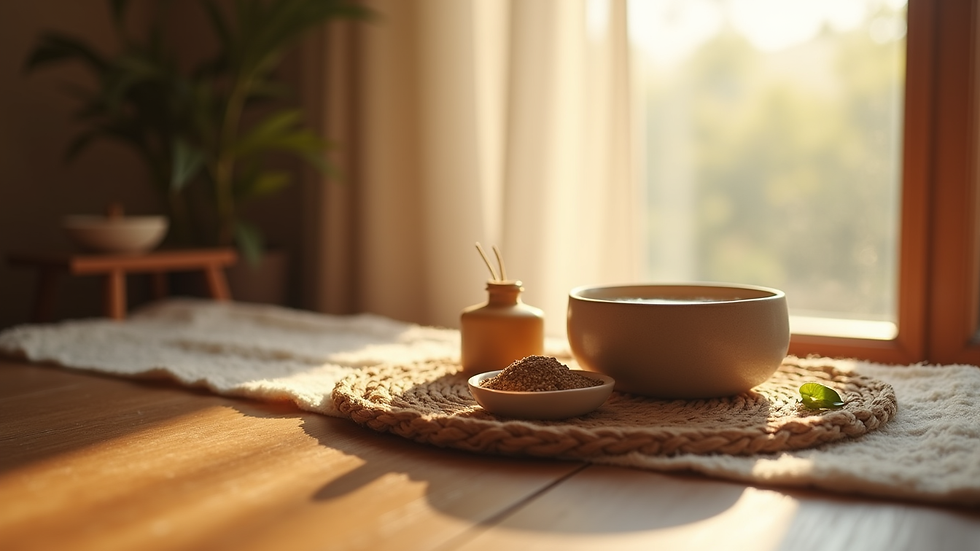
Consider incorporating soothing elements into your space, such as soft lighting, calming scents, and comfortable seating. A peaceful environment can help you relax and bond with your baby.
Conclusion
Postpartum recovery is a unique journey that requires patience, care, and support. By prioritizing rest, nourishing your body, and seeking emotional well-being, you can navigate this transformative period with confidence. Embrace the cultural practices that resonate with you, and remember that you are not alone in this experience. Reach out for support, take time for yourself, and cherish the moments with your newborn. Your well-being is essential for both you and your baby, so take the time you need to heal and thrive.


留言